Trees and Septic Systems: How Roots Cause Problems and How to Prevent Damage (Hall's Septic Service Guide)

February 1, 2026

Hey, folks, it's the team at Hall's Septic Services in Havre de Grace, Maryland. We're your go-to local experts for septic pumping, inspections, clean-outs, and handling those unexpected messes—your #1 call in a #2 business! We've been serving homes and businesses around the area for decades, using top-notch equipment to keep things running smoothly and honestly.


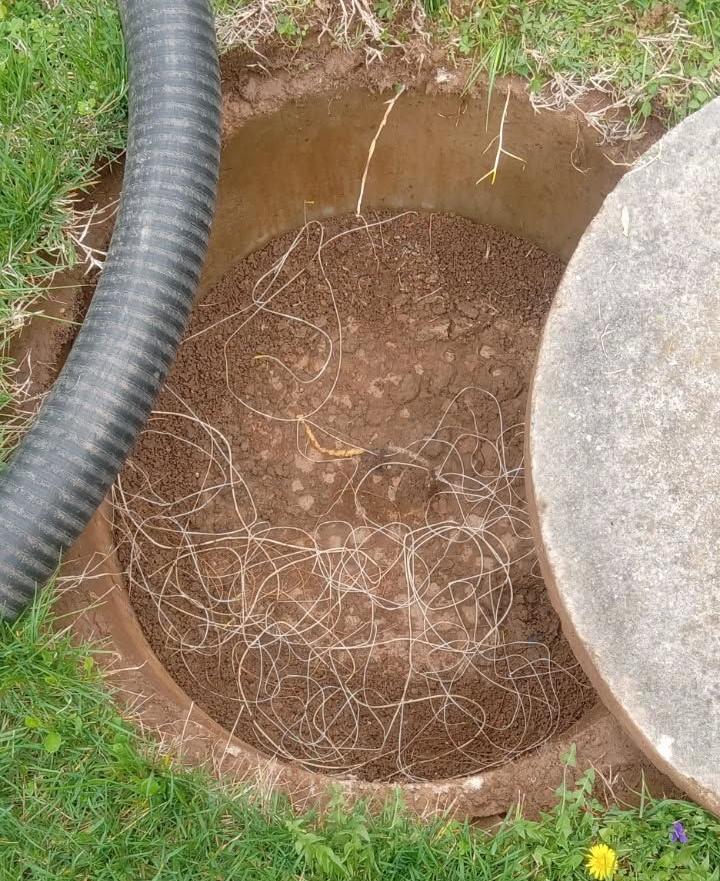
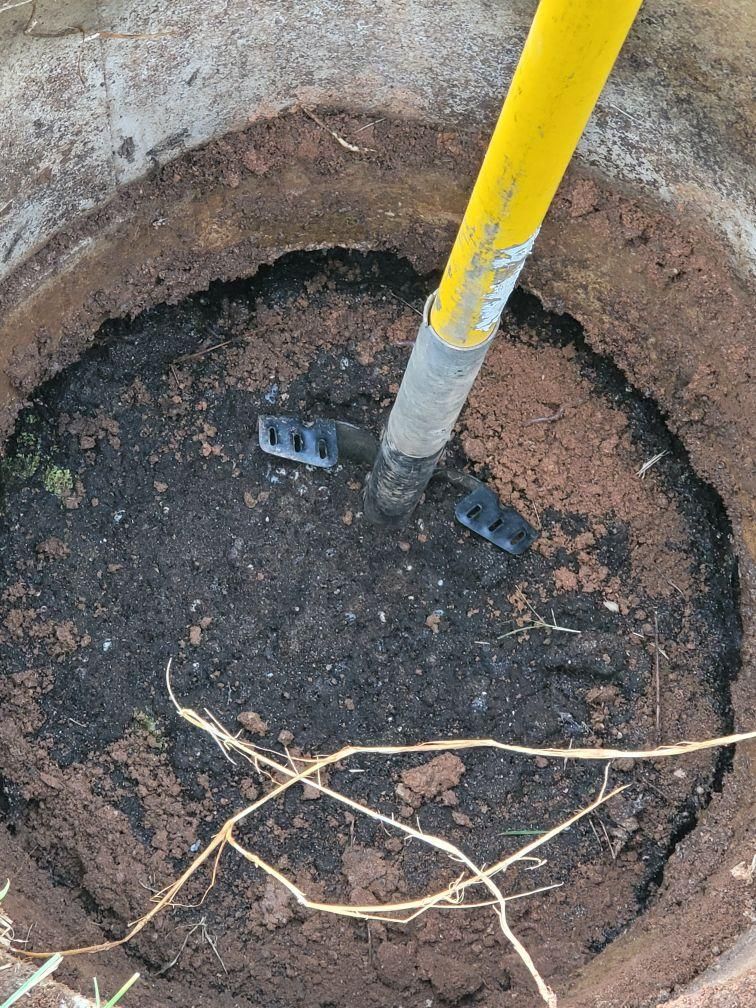
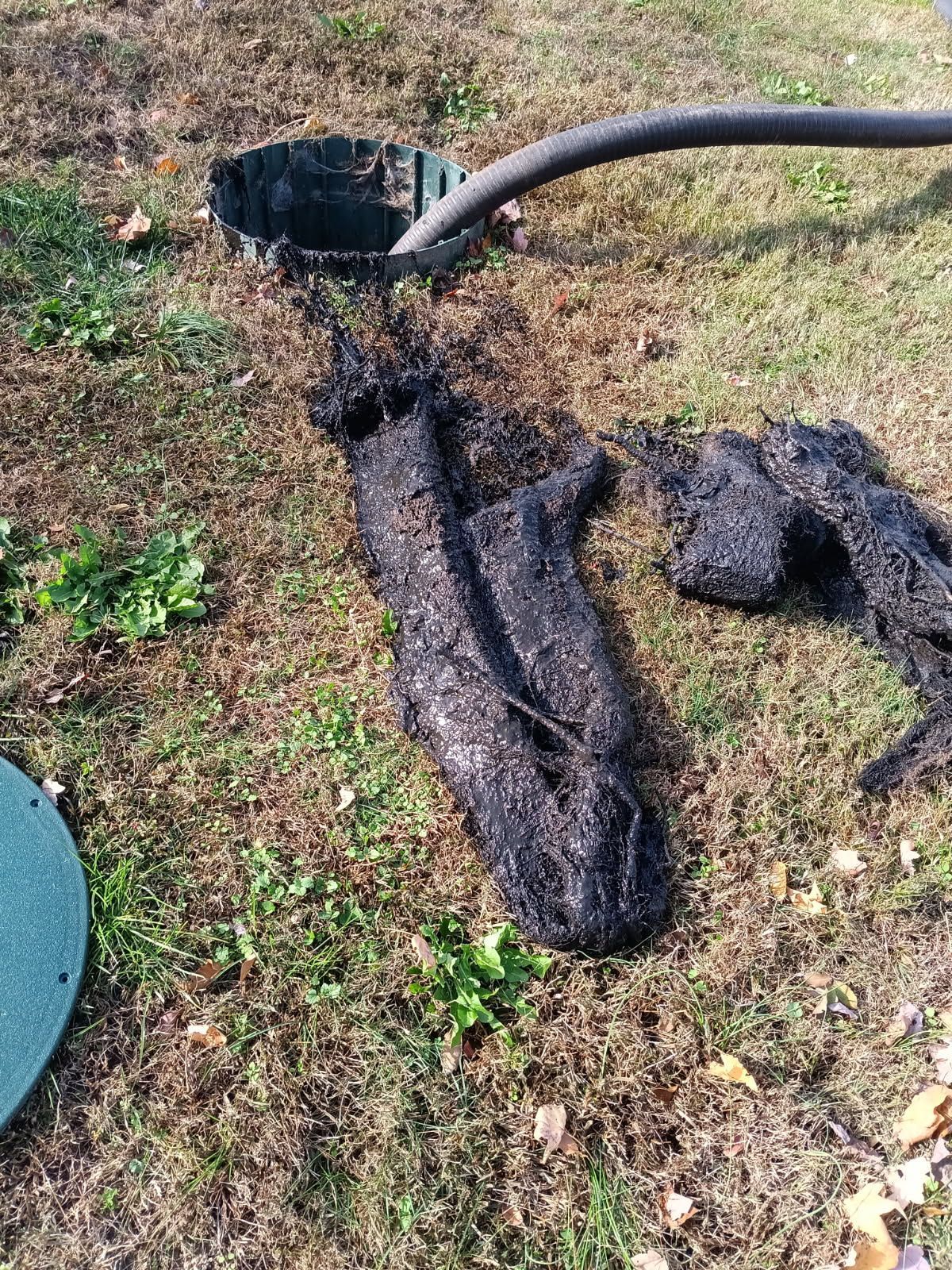
One of the most frequent headaches we deal with? Tree roots invading septic systems. It's a classic issue in our part of Maryland, where trees are everywhere and septic systems are common. Roots love the moisture and nutrients in your tank, pipes, and drain fields, and once they get in, they can cause serious (and expensive) trouble. In this post, we'll cover why this happens, the warning signs, Maryland guidelines, and practical steps to protect your system.
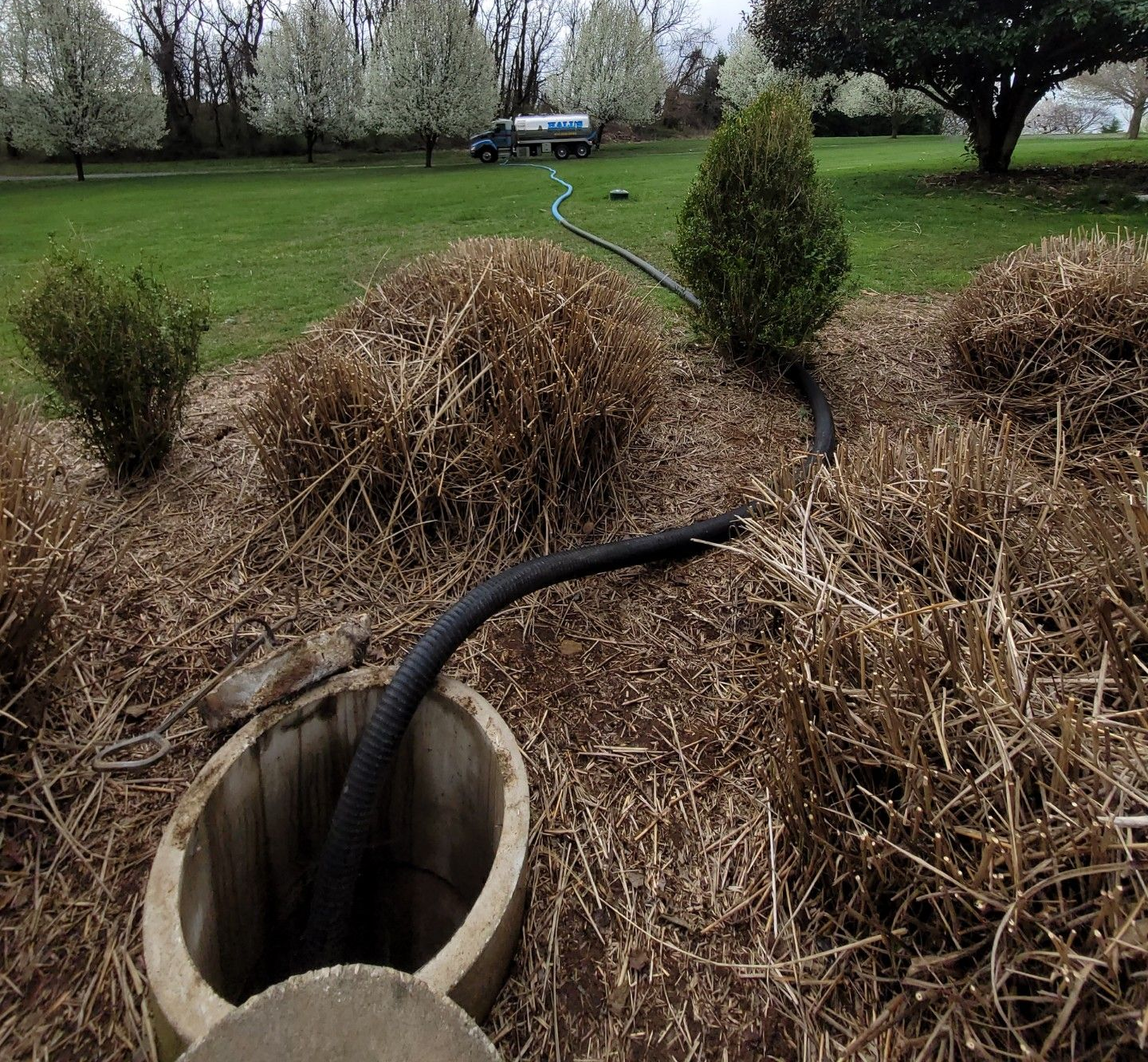
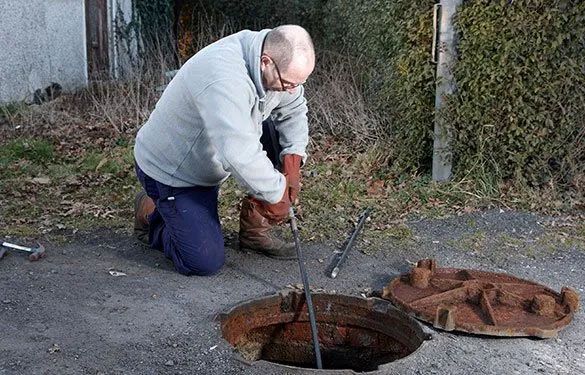
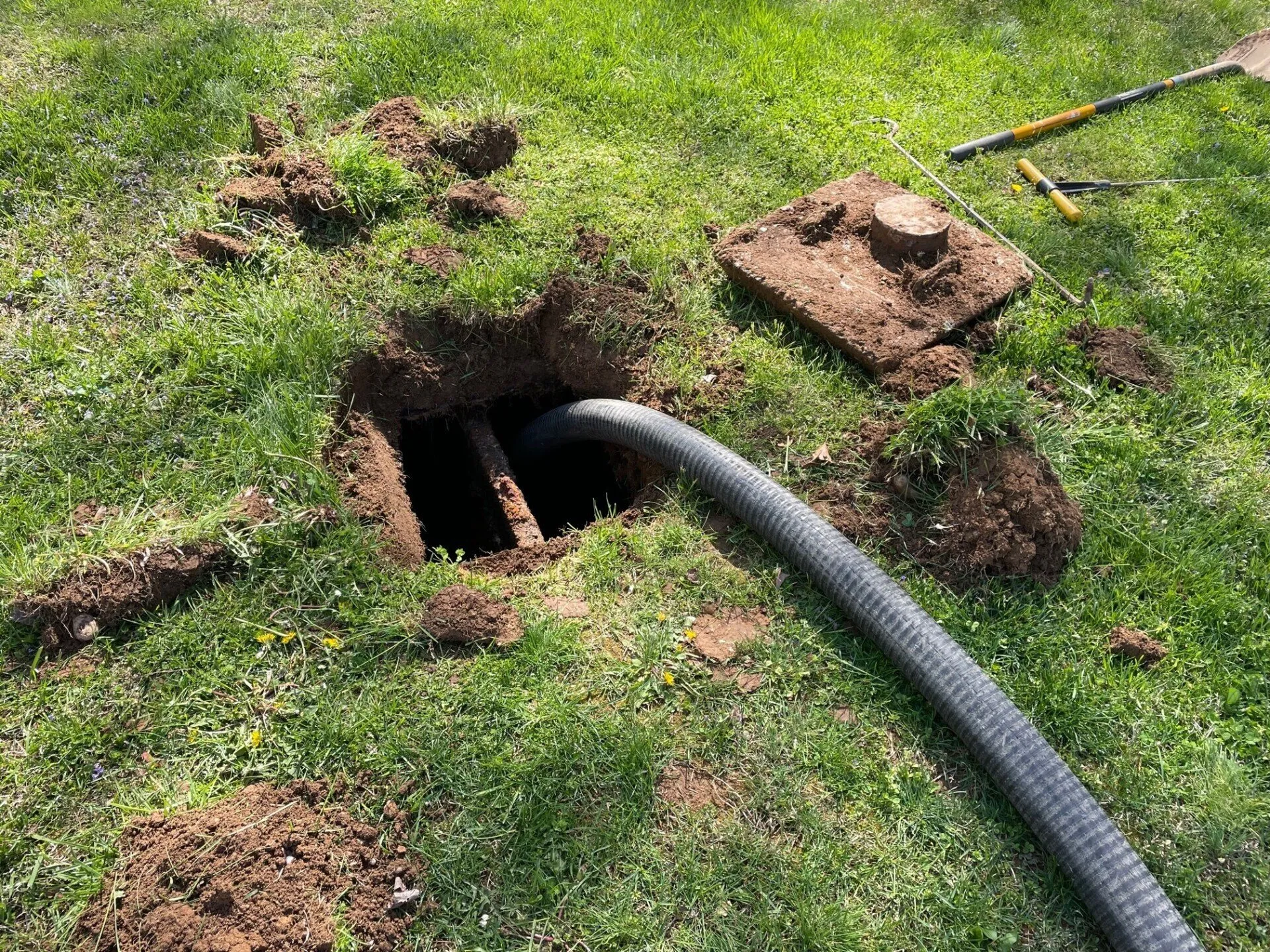
Septic Pumping around tree roots

Why Tree Roots Are Attracted to Your Septic System


Tree roots grow toward water sources—it's just what they do. Your septic setup is basically an underground oasis: constant moisture from wastewater, plus plenty of nutrients. Aggressive roots slip through small cracks, loose joints, or old connections in pipes and tanks. Then they expand, leading to:


  • Blocked or clogged pipes, which cause slow drains, gurgling sounds, backups in toilets or sinks, and even sewage overflows in your home.
  • Damaged drain fields (the absorption area), creating soggy yards, foul odors, or unusually lush green patches over the field because effluent isn't filtering right.
  • Cracked tanks or broken lines from roots pushing and growing, which can leak wastewater and contaminate soil or groundwater.


From our jobs, we've seen willows, silver maples, poplars, and other water-loving trees cause the worst damage.


Older systems get hit more often, but even newer ones aren't safe if trees are planted too close.


Maryland Regulations and Recommended Distances for Trees Near Septic Systems


Remember, function over aesthetic! Many times, homeowners will intentionally plant a shrub or tree over or near the cleanout pipe of a septic system to enhance curb appeal. This is a problem waiting to happen! Not only does this type of landscaping make it a lot tougher for technicians to access and get a good look at the septic system, it’s setting up a root problem. 


Maryland follows COMAR 26.04.02 for onsite sewage systems, focusing on protecting health and the environment. There's no single statewide "must be X feet" rule just for trees, but the University of Maryland Extension and local health departments strongly recommend keeping trees and large shrubs away from your drain field and components to avoid root intrusion.


What we recommend based on experience and best practices:


Large trees:

Keep at least 30–50 feet away from the septic tank, distribution lines, and drain field; for invasive, thirsty species like willows, go 50+ feet.


Smaller shrubs or trees:

Minimum 10–15 feet


Over the drain field:

Only shallow-rooted grass, clover, or low ground cover—no trees, deep-rooted plants, gardens, driveways, or structures.


Other key setbacks (common in Maryland counties):

50–100 feet to wells, 100 feet to streams or waterways, 10 feet to property lines, and 25 feet downslope to avoid runoff issues.


Always check with your local county health department (like Harford County for us) for site-specific rules, especially before planting or landscaping.


Signs Your Septic System Has Tree Root Intrusion


Catch problems early to avoid big repairs. Watch for these red flags:


  • Slow-draining sinks, tubs, or toilets
  • Gurgling noises in plumbing
  • Frequent backups or overflows
  • Strong sewage smells in the yard or house
  • Wet, mushy spots or overly green grass over the drain field
  • Sewage surfacing in the yard


If you spot any, don't wait—call us for an inspection.


How to Prevent and Manage Tree Roots in Your Septic System


Good news: You can protect your system with smart choices and regular care. Here's our straightforward advice:


Plant smart:

Choose slow-growing, non-invasive trees like oaks or dogwoods. Avoid water-seeking species near your septic area.


Use root barriers:

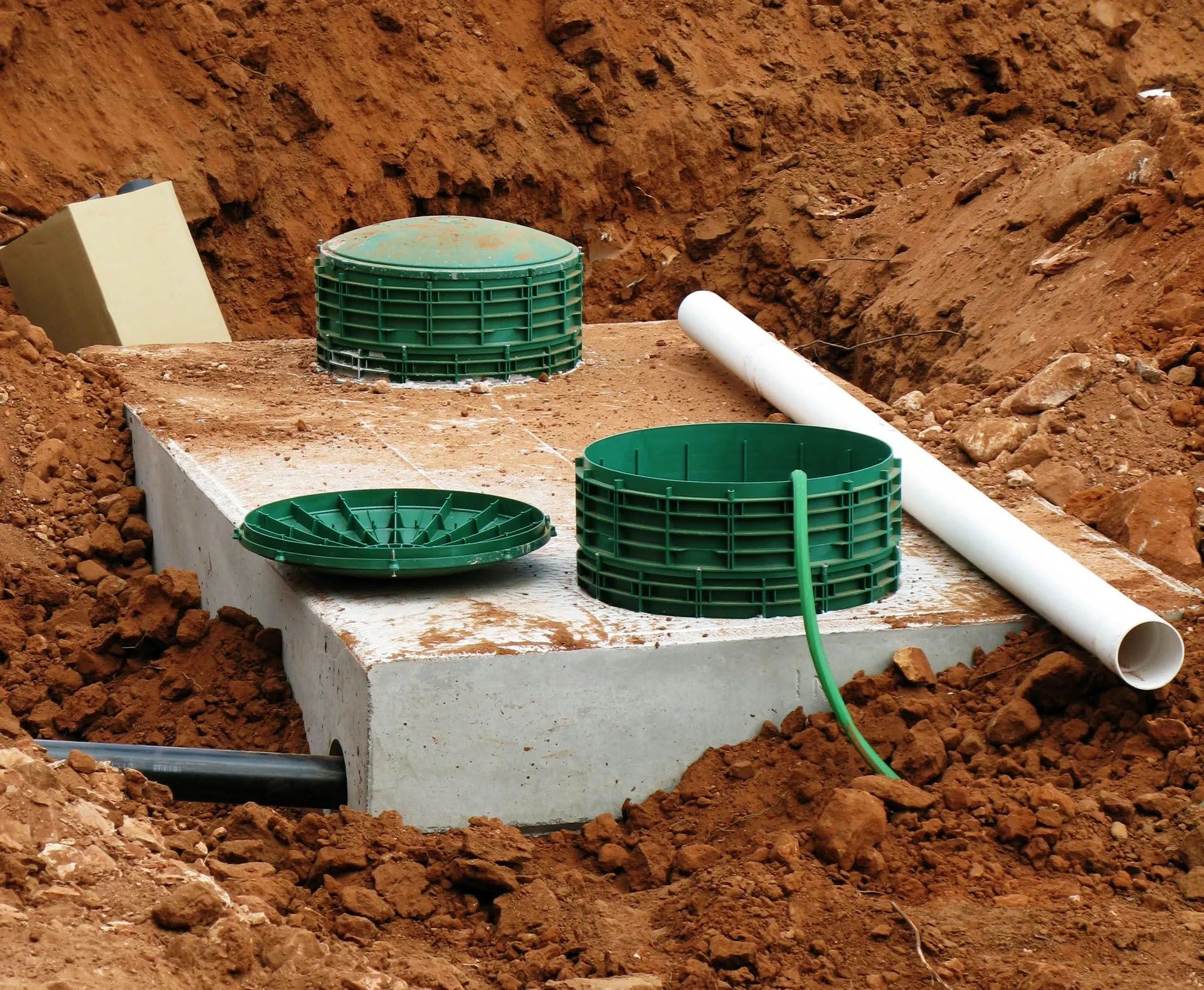
Install physical barriers (plastic or fabric sheets) around tanks and lines during installation or repairs to redirect roots. (Consult the professional performing the installation.)


Schedule regular maintenance:

Pump your tank every 2–5 years (more often for larger households). Schedule inspections with us to catch early root issues.


Avoid chemicals if possible:

Root-killing products like copper sulfate can help in some cases but may harm your system's good bacteria—talk to pros first.


Professional help for existing problems:

If roots are already in, we handle safe removal without damaging your system further.


Ignoring roots can mean full system failure, costly repairs or replacements, or environmental issues. Prevention is way cheaper!


Protect Your Septic System Today—We're Here to Help


Don't let tree roots turn your yard into a septic disaster. Whether you need a quick inspection, routine pumping, or advice on landscaping around your septic, the Hall's team has you covered. We're local, fast, and always go the extra mile for our customers.


Give us a call at (410) 838-0046  or email anytime to set something up. Let's keep your system healthy and your roots in the right place!
October 14, 2025
Hey there, neighbors! If you're like most of us in Harford, Baltimore, or Cecil County, your home runs on a septic system that's quietly handling all the behind-the-scenes work. But what if we told you that some of your go-to household heroes—like that trusty bottle of bathroom cleaner or those convenient septic additives—might actually be working against your system? It's true, and it's a topic that's been buzzing in the septic world lately. At Hall's Septic Services, with more than 50 years of keeping local systems running smoothly, we've seen it all: from routine pump-outs to emergency rescues when things go wrong. That's why we're sharing this homeowner-friendly scoop, inspired by recent insights from the pros at Pumper magazine. No PhDs required—just straightforward advice to protect your wallet, your yard, and that peaceful hum of a healthy septic tank. Let's dive in (pun intended)!
May 21, 2025
A septic emergency can strike at any moment, turning a normal day into a stressful situation. Whether it’s a foul odor wafting through your home, slow drains, or sewage backup in your yard, knowing how to respond quickly can minimize damage and keep your property safe. At Hall’s Septic Services, we’ve been helping homeowners and businesses in Havre de Grace, Maryland, and beyond handle septic challenges for over 50 years. Here’s a step-by-step guide on what to do during a septic emergency before our expert team arrives to save the day.
May 8, 2025
At Hall's Septic Services and Mylin's Pool Water, we understand that installing a swimming pool is a significant investment that enhances your home’s value and provides endless enjoyment. Before you dive into your pool project, it’s critical to consider how your pool’s placement interacts with your septic system. Improper planning can lead to costly repairs, environmental issues, and even legal complications. Drawing from our decades of expertise in septic services and pool water delivery, as well as insights from industry resources, we’re here to guide you through this process.
Winter Septic Tank Pumping
February 13, 2025
Winter is upon us, and contrary to what many people believe, it can be the best time to schedule service for your septic system–especially in regions like Baltimore, Harford, and Cecil Counties where the temperatures commonly dip below freezing. Hall’s Septic Services explains five big reasons why we recommend taking advantage of scheduling septic services during the winter months: Your Home Life is Slower: Most people welcome fewer guests into their homes during the winter months (aside from the holidays, of course). Getting your septic system serviced during these lulls in foot traffic can help you prepare for an influx of guests when the days get warmer. Hall’s Septic Services offers efficient septic cleaning that clears any blockages and spots any potential issues before they become emergencies, ensuring smooth operation regardless of fluctuating temperatures. YOU are Home: Sure, there may be fewer people in and out of your home, but you’re probably there a lot more often during the winter. Use that time to check off your to-do list before spring sports and summer outings overtake your schedule. We Have More Availability: Once Spring arrives, our schedule is packed! While Hall’s comprehensive 24-hour septic service is designed to provide prompt assistance, our normal schedule can be several weeks out during the warmer months of the year. Scheduling during the Winter can help you beat the warm weather rush of customers. Frozen Ground Means Better Access: Frozen ground can allow us to get the trucks closer to hard-to-access tanks. Some locations require our technicians to drive over, or drag many hoses across, grass and unstable ground. These are referred to as “must be dry” jobs. When the ground is frozen and hard, there is much less risk of damage to yards or property when accessing these septic systems. 24/7/365: Unforeseen septic emergencies can happen any time. That’s why Hall’s Septic Services has a technician on call every hour and every day of the year. Our on-call services ensure any disruptions to your septic system are minimal and swiftly addressed. Contact Our Team Today to Ask Why Winter is a Great Time to Schedule Septic Services Hall’s Septic Service, utilizing state-of-the-art equipment and a customer-centric approach, stands ready to assist, providing reliable and professional support for your septic needs in Maryland this Winter season.
October 5, 2024
Top Signs It’s Time for Professional Septic System Maintenance
October 5, 2024
Top 10 Benefits of Using Portable Restrooms for Events in Baltimore, MD
Septic System Maintenance
May 15, 2024
Learn the importance of regular septic system cleaning with Hall's Septic Service. Discover how routine maintenance prevents costly repairs, enhances system efficiency, and prolongs the lifespan of your septic system. Our expert team in Havre de Grace, MD, provides professional cleaning services to ensure your system runs smoothly and protects your property. Visit our site for comprehensive insights and schedule your septic cleaning today.
April 15, 2024
Solve unpleasant sewer gas odors after septic system replacement or maintenance with Hall's Septic Service. Learn common causes like venting issues or drain trap gas bubbles and find effective solutions to eliminate these odors. Our experts in Havre de Grace, MD, provide thorough vent system inspections, repairs, and manhole cover replacements to ensure your home stays odor-free. Visit our site for professional tips and services to maintain a fresh, healthy environment.
Emergency Septic System Service
March 24, 2024
Understand emergency septic services with Hall's Septic Service. This guide covers what constitutes a septic emergency, such as backed-up drains, foul odors, and pooling water, and provides steps to respond effectively. Learn how to stay calm, minimize water usage, and contact our experts available 24/7 for immediate assistance. Trust Hall's for professional emergency response and prevent future issues with regular maintenance.
February 21, 2024
Discover the inner workings of a septic system in our latest blog post at Hall's Septic Services. From the inlet pipe to baffles, outlet pipes, and drain fields, delve into the essential components that ensure efficient wastewater treatment. Understanding your system's structure can lead to better maintenance and a healthier environment. Read more for expert insights into the heart of your septic system.