

Seriously, Skip the Rid-X and Those Septic Additives – They’re More Trouble Than They’re Worth
Hey there—if you're in Harford County, Cecil County, Baltimore County, or right here in Havre de Grace, MD, you've probably seen those green Rid-X boxes at the hardware store or clicked on an ad promising your septic system will stay trouble-free without ever needing a pump-out. It sounds great—who doesn't want an easy shortcut?
But after years of pumping tanks, probing failed drain fields, and talking to homeowners just like you, we at Hall’s Septic Services have to be honest:
those septic additives like Rid-X usually hurt more than they help. Here's the no-BS breakdown.
How Your Septic System Actually Works (No Additives Needed)
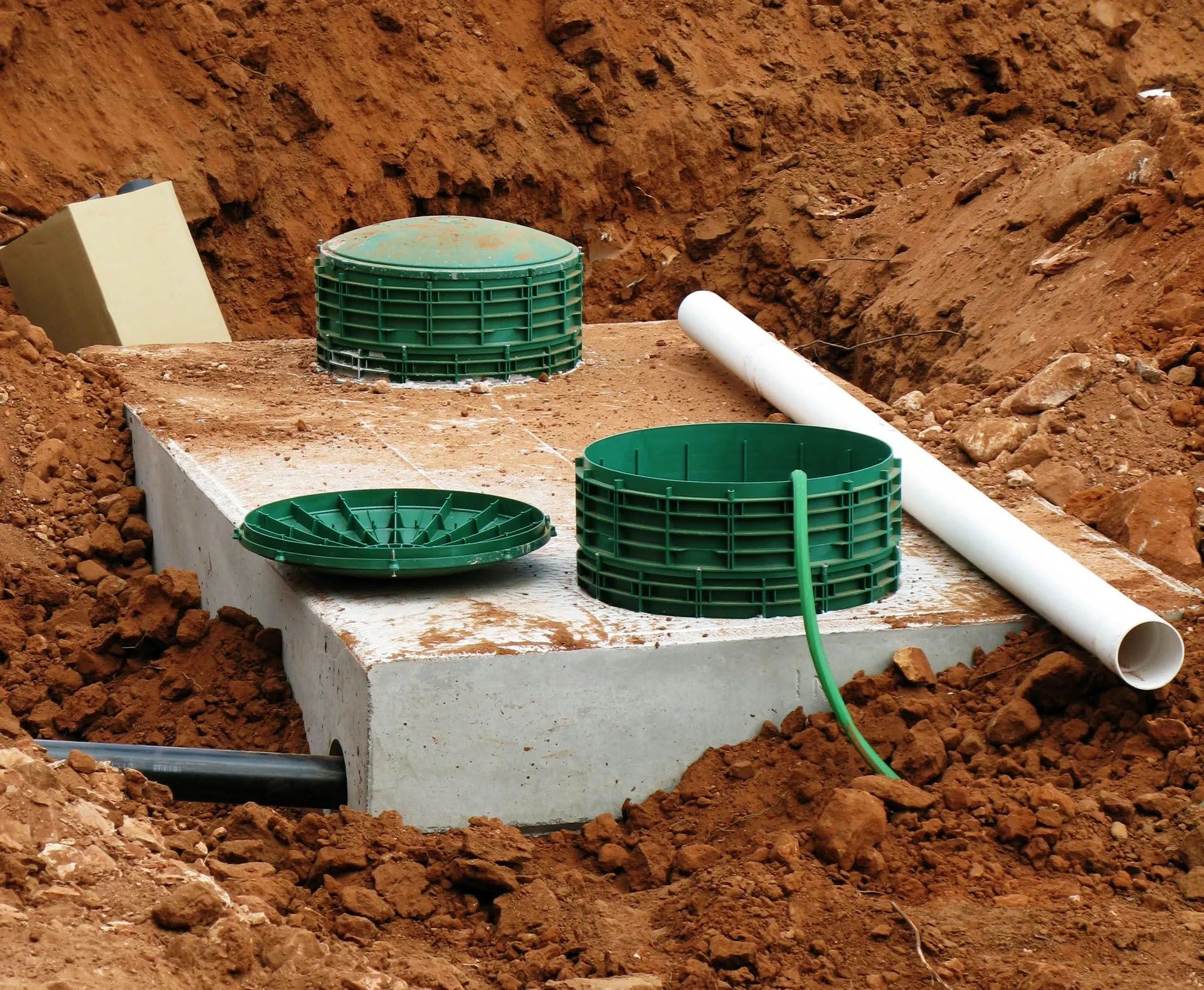
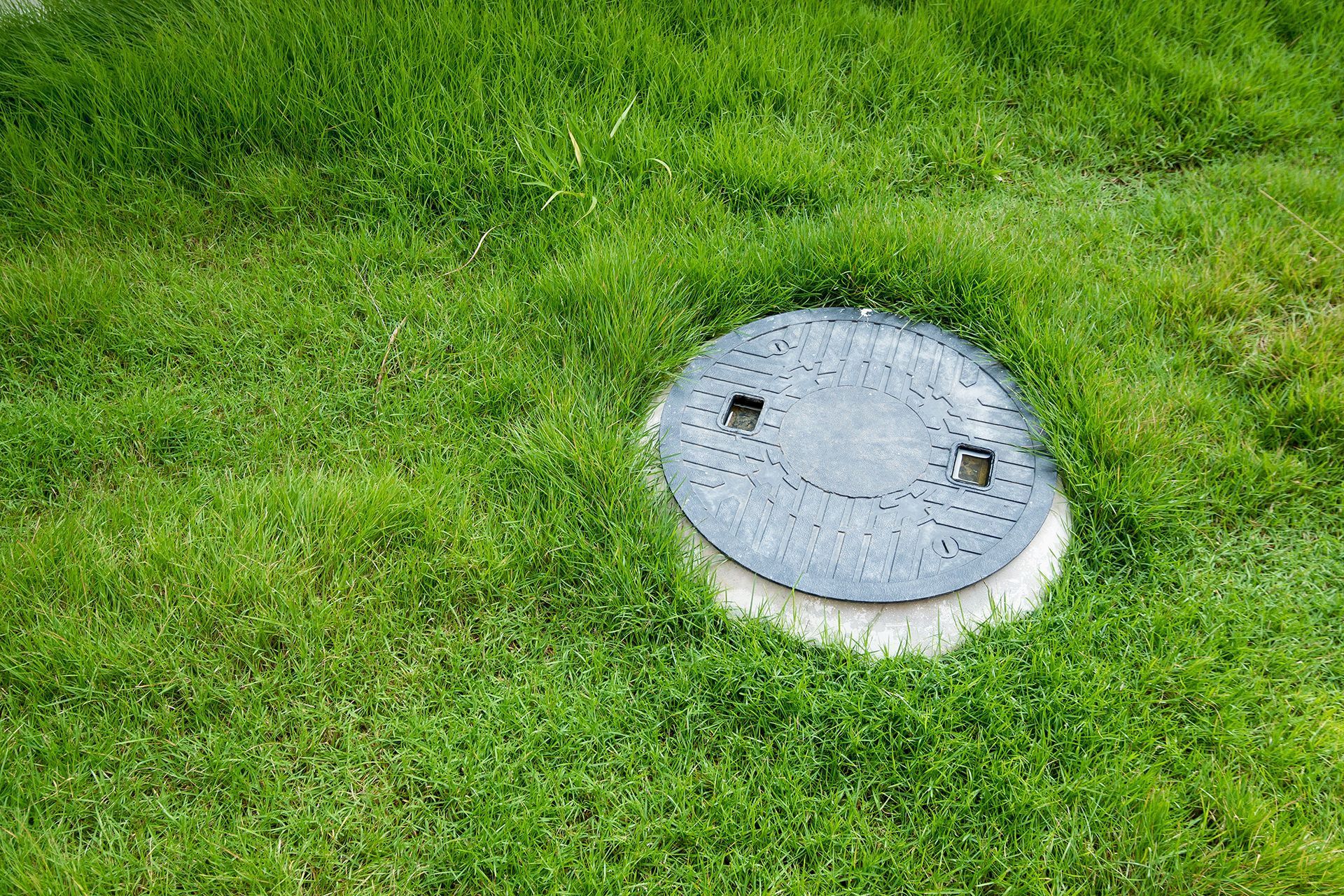
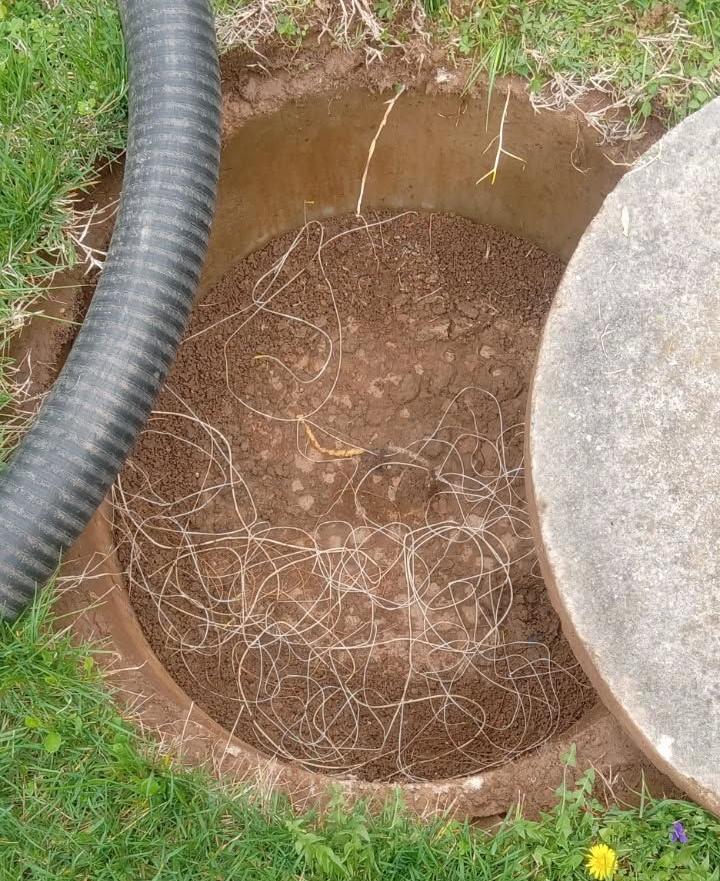
Your septic tank is a living underground system. The natural bacteria from your household waste already break everything down into:
- Scum (oils and fats floating on top)
- Sludge (solids settling at the bottom)
- Clear-ish liquid effluent that flows to the drain field
The soil and microbes in the drain field finish the job. It's a balanced, self-sustaining process—your system doesn't need extra help from store-bought packets.
Why Rid-X and Septic Additives Often Backfire
The EPA and university extension services (including Maryland's) don't recommend routine use of bacterial or enzyme additives. Here's what we've seen happen time and again:
- They break solids down too fast and too fine — Instead of settling in the tank, tiny particles rush into your drain field and create a thick biomat that clogs soil pores. This is the #1 reason drain fields fail early.
- They mess with natural bacteria balance — Your wastewater already has trillions of the right microbes. Adding more (or mismatched ones) can actually slow digestion.
- They create a false sense of security — Nothing poured down the drain removes real sludge buildup. Homeowners skip pumping thinking the packets are "working," then face emergencies and big repair bills.
- Potential environmental risks — Some additives can interfere with treatment and affect groundwater—especially important near the Chesapeake Bay watershed.
We've witnessed many premature failures where monthly additive use was part of the "maintenance" routine. The drain field damage is often permanent and costly.
The Proven Way to Keep Your Septic System Healthy Long-Term
Forget the additives. Stick to what actually works:
- Pump your tank every 2–3 years (or on a specific recommended schedule depending on how many people use the facilities).
- Use only septic-safe toilet paper, cleaners, and avoid harsh chemicals, wipes, grease, or paint.
- Spread out laundry loads and fix leaks to prevent hydraulic overload.
- Keep vehicles, heavy equipment, and deep-rooted trees away from the drain field.
Simple habits like these keep systems running 20 to 40 years without drama.
Ready to Check Your System the Right Way?
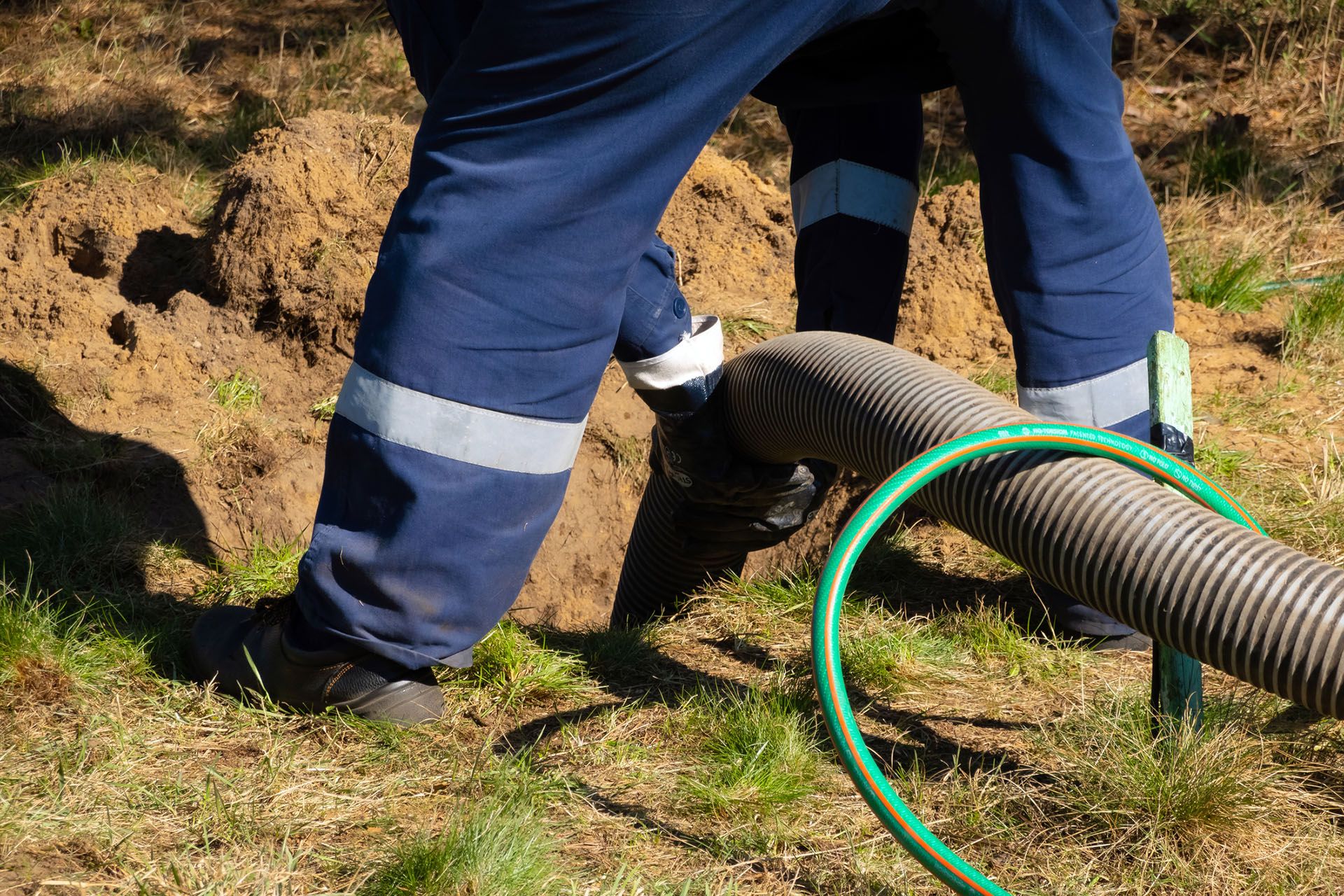
Don't wait for slow drains, odors, or soggy spots to force your hand. If you're in Harford County, Baltimore County, or Cecil County, give us a quick call—we'll help you figure out if your tank needs attention.
Protect Your Septic Investment with Local Pros You Can Trust
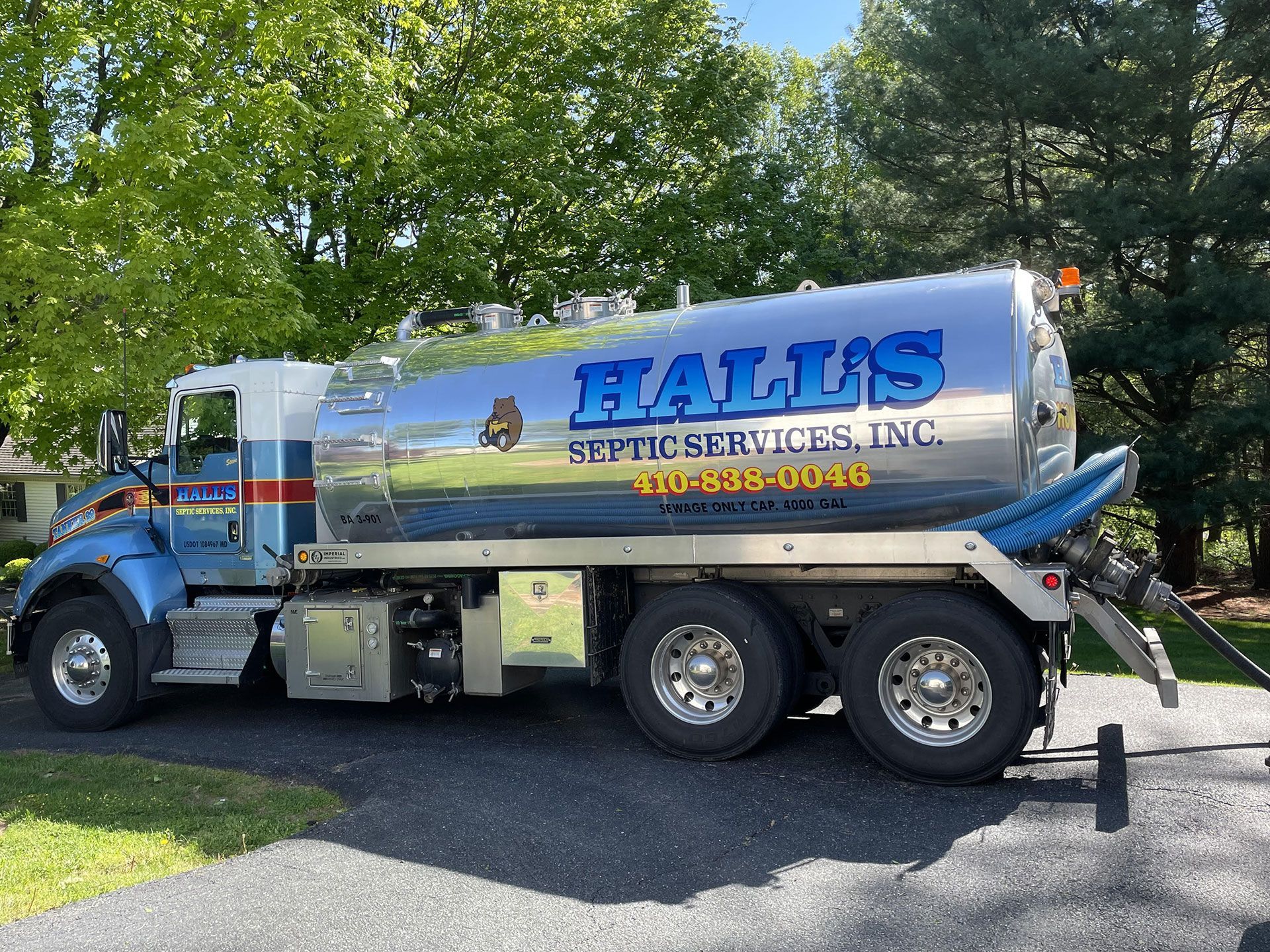
We're a family-owned business based right here in Havre de Grace, MD, serving Harford, Cecil, Baltimore counties, and parts of Pennsylvania with honest, no-gimmick service. Modern equipment, straightforward advice, and real results—that's what we bring.
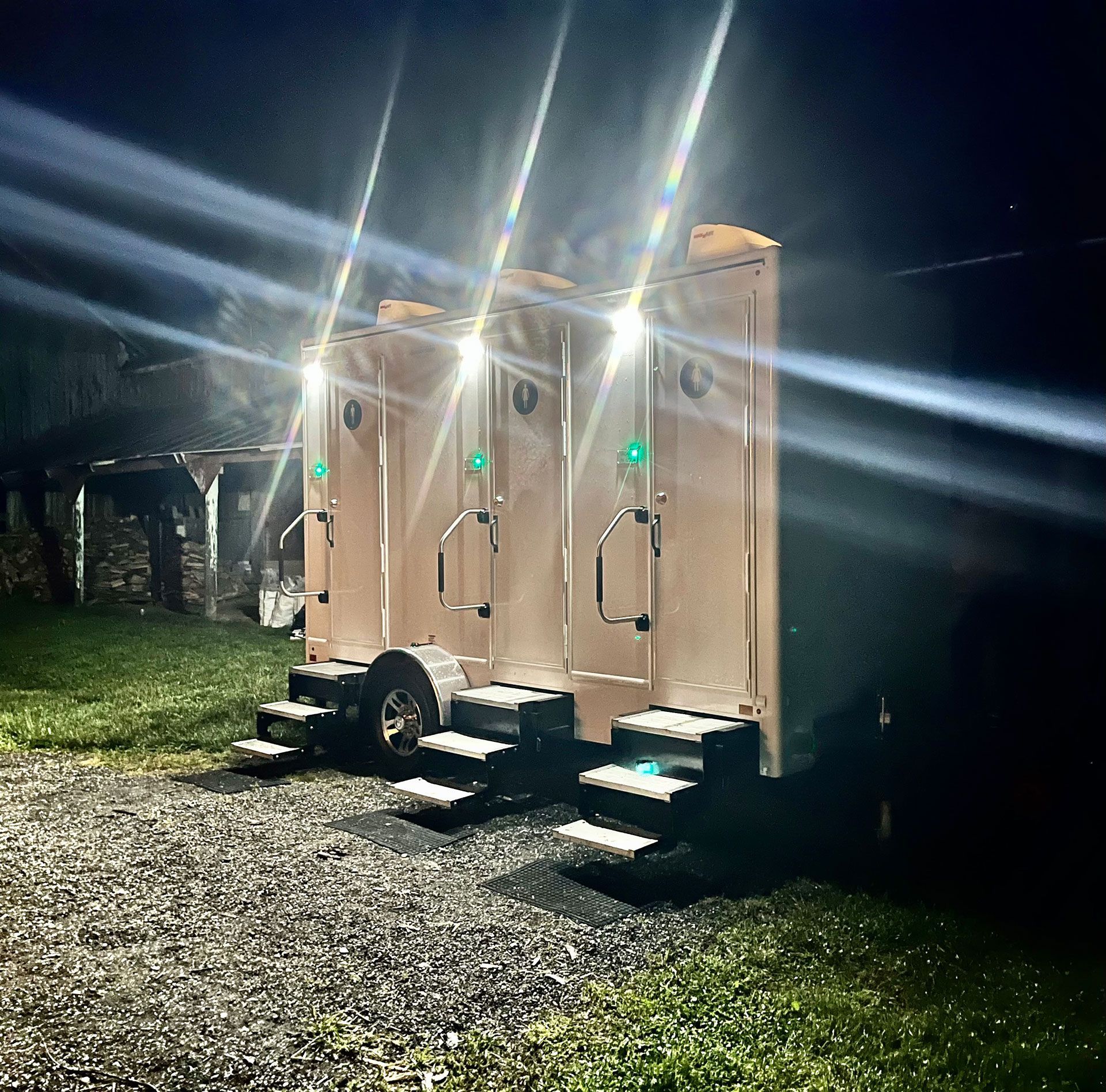
Whether it's routine septic pumping, a full inspection, or even portable toilet rentals for your event, we're here to keep things flowing smoothly.
Call Hall’s Septic Services today at (410) 838-0046 or fill out our quick contact form. We'll get you on the schedule fast and give you clear, no-pressure recommendations tailored to your system.
Ditch the Rid-X myth—let the locals who know Maryland septic systems keep yours in top shape. Your yard (and your wallet) will thank you.